
Plumber InCharlotte
Our home base covers 1890s streetcar suburbs on cast iron and clay and 2000s subdivisions in Ballantyne and Steele Creek.
Plumbing & Drain Service in Charlotte, NC
Plumbing, drain and backflow service in Charlotte, NC
The public water system here has been in operation since 1899, and the pipe on private property spans nearly the same range. A bungalow in Dilworth can still drain through original cast iron and clay, while a house in Steele Creek built after 2000 runs on PVC and PEX. Census estimates put the median year built for a Charlotte home at 1995, with about one in ten built before 1960.
Alpha Drain is based in the city and works on both ends of that range. Spyro has 15 years of plumbing experience, and Spyro and Peter handle drain cleaning, sewer camera inspections, backflow testing, water heaters and everyday plumbing repair for homeowners, real estate agents, property managers and businesses. The phone is answered 24 hours a day, same-day service is available, and most jobs are scheduled within 24 to 48 hours.
Plumbing Services We Bring To Charlotte
Streetcar suburbs: Dilworth, Elizabeth, Myers Park, Plaza Midwood and NoDa
Dilworth opened in the 1890s as the city's first streetcar suburb. Elizabeth was begun in 1891, Myers Park was laid out in 1911, and most of Plaza Midwood was built between the 1910s and 1930s. NoDa grew around Highland Park Mill No. 3, started in 1903, and the mill's worker cottages still stand on Yadkin Avenue.
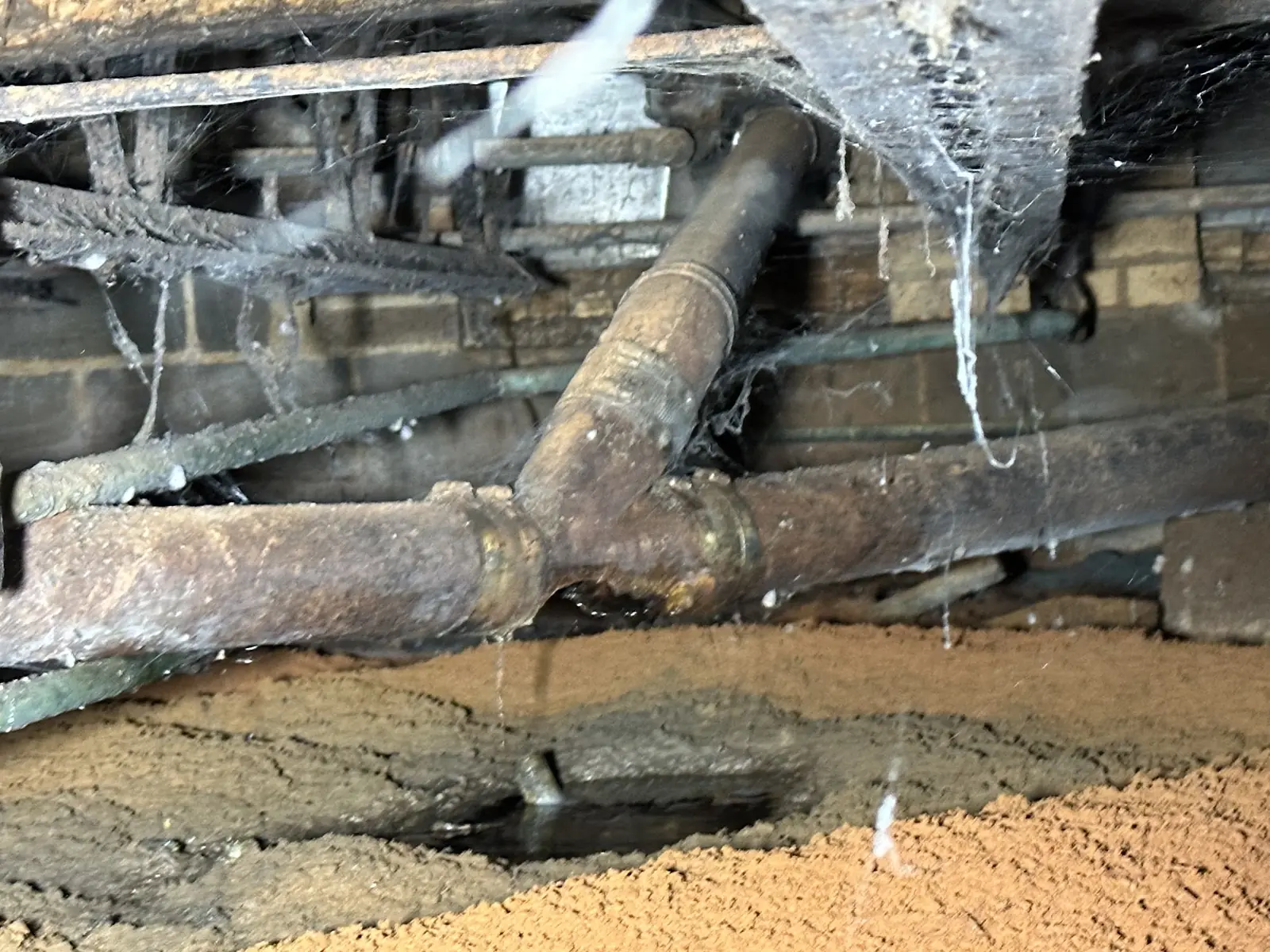
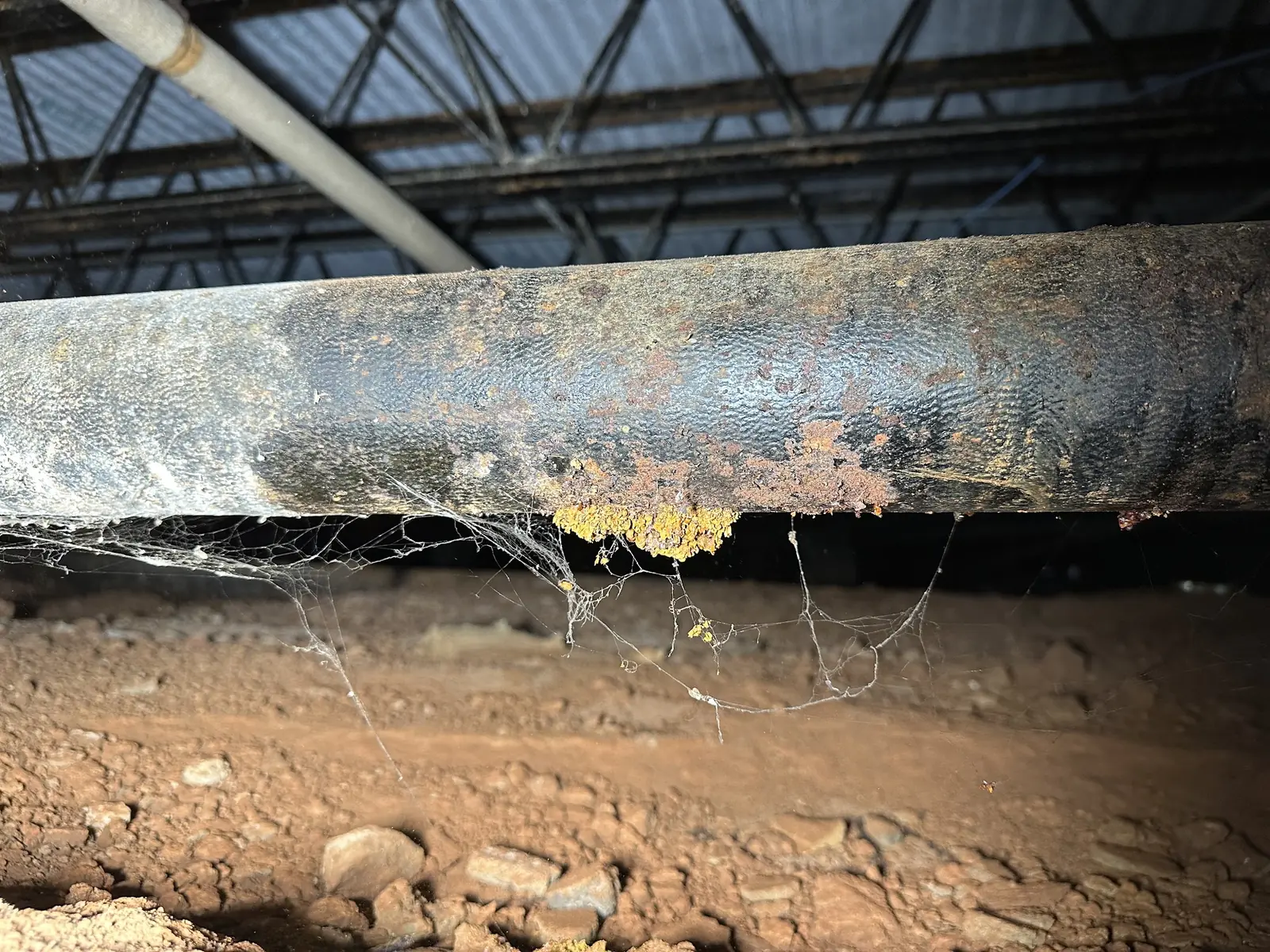
Houses of that age were typically plumbed with cast iron drains, clay sewer pipe to the street and galvanized steel water lines. Most have been updated one room at a time, so a single house can hold three or four generations of pipe. Cast iron scales and cracks, clay joints open up, and galvanized steel closes with rust until the pressure drops. A sewer camera inspection shows what is in the ground before you plan a remodel or make an offer.
- Rust-colored water when a tap is first opened
- Water pressure that has dropped over the years
- A main line that clogs more than once a year
- Damp soil or a sewage smell in the crawlspace
SouthPark and University City: houses from the 1970s to the 1990s
SouthPark Mall opened in 1970 on former Morrocroft dairy farmland, and neighborhoods were built around it as the rest of the farm was sold. University City came later. University Place was planned in the early 1980s, and growth in that area picked up late in the decade. About three in ten housing units citywide date from the 1980s and 1990s.
That window overlaps with polybutylene, a gray plastic water pipe manufactured from 1978 to mid-1995 that has a record of splitting. Not every house from those years has it, but it is worth a look under the sinks and at the water heater. Homes from this period are also likely on their second or third water heater. When a leak shows up in a wall or under a slab, leak detection pins down the spot before anything gets opened up.
Ballantyne, Steele Creek and the newer subdivisions
Ballantyne was a family hunting tract until development began in the early 1990s. Steele Creek stayed mostly farmland until home builders arrived in the 2000s. More than four in ten of the city's housing units have been built since 2000, and most construction from those years used PVC drain pipe and plastic water lines such as PEX.
Newer pipe still has problems. N.C. Cooperative Extension has pointed to PVC sewer joints that were never sealed properly in some new homes, and a sag or a bad joint collects debris no matter how young the house is. The other regular need is the irrigation system. A lawn sprinkler connected to public water must have a backflow assembly, and that assembly has to pass a test every year. Our backflow testing page explains how that works.
Tree canopy, red clay and roots in the sewer line
Trees covered about 47 percent of Charlotte in the 2022 canopy count, and the oldest neighborhoods have the largest ones. Under them is Piedmont red clay. Cecil, the red clay soil found across much of the Piedmont, is North Carolina's state soil.
Roots do not break into a sound pipe. N.C. Cooperative Extension puts it plainly: roots can only exploit a crack or gap that is already there, usually in old clay tile or cast iron. Once a root finds a leaking joint it thickens, catches paper and grease, and the main line starts backing up. Drain cleaning with a cutting head reopens the line, and hydro jetting scours out what the cable leaves behind. If the camera shows a broken section, sewer line repair fixes the spot the roots keep returning to.
Where the utility's pipe stops and yours starts
Charlotte Water maintains the water meter, the meter box and the mains under public streets. Everything past the meter is yours, including the buried service line to the house. On the sewer side, the utility's rule of thumb is that your responsibility begins at the street right-of-way, though it notes there are exceptions.
If sewage backs up, the utility will clear a blockage in the public main or in its part of your connection. A blockage in your own plumbing is a job for a plumbing contractor. State rules also require a backwater valve when your fixtures sit lower than the top of the first manhole upstream, which matters for basements and low lots. A private plumbing leak is the leading cause of a high water bill, according to the utility, so a jump in usage is a good reason to book leak detection. If water is already coming through a ceiling, call for an emergency plumber.
Backflow testing for sprinklers and commercial buildings
Charlotte Water requires every backflow prevention assembly to be tested once a year by a company on its approved tester list. The utility does not run the tests itself. It mails a test letter when yours is coming due, and the tester sends in the results. Irrigation systems have required a reduced pressure (RP) assembly since March 24, 2003. Older double check assemblies stay in service until they need replacing.
Commercial and industrial customers must keep an assembly on every connection, which covers domestic, irrigation, fire line and pool meters. Alpha Drain does certified backflow testing at $199 per assembly and files the report with the utility. Under our 30-Day Compliance Guarantee we test within 30 days, and we send reminders so you never miss a test. When an assembly fails, backflow repair is the next step.
- Lawn irrigation systems
- Domestic water service to commercial buildings
- Fire sprinkler lines
- Swimming pool meters
Charlotte neighborhoods we serve
Dilworth, Myers Park, Elizabeth, Plaza Midwood, NoDa, Uptown, South End, SouthPark, Cotswold, University City, Ballantyne, Steele Creek, and the streets in between.
Charlotte ZIP codes we serve: 28202, 28203, 28204, 28205, 28206, 28207, 28208, 28209, 28210, 28211, 28212, 28213, 28214, 28215, 28216, 28217, 28226, 28227, 28262, 28269, 28270, 28273, 28277, 28278.
Need a plumber in Charlotte now? Call (980) 408-1705. We answer 24 hours a day, same-day service is available, and you get the price before work starts.
In A Rush? Let's Talk Now!
Charlotte Plumbing Questions
You are, in most cases, out to the street right-of-way. The water utility describes that as a rule of thumb and says there can be exceptions. Its crews clear blockages in the public main and in the part of the connection the city maintains. A blockage on your side needs a plumbing contractor. A camera inspection finds the blockage first, so you know whose pipe it is in before anyone digs.
Once a year. The utility requires an annual test by a company on its approved tester list and mails a letter when yours is coming due. Residential irrigation customers with a December due date can ask for a deferment and test in spring, once the system is running again. We charge $199 per assembly and send the results in for you.
It shows up in homes built from 1978 to the mid-1990s, and that is a big share of the city. About three in ten housing units here date from the 1980s and 1990s. Polybutylene is a gray flexible plastic, often stamped PB, with a history of splitting. If you find it, a plumbing inspection tells you how much is in the house and what replacing it would involve.
Yes. A general home inspection does not look inside the buried sewer line, and houses from the streetcar era were built with cast iron and clay pipe that may be near the end of its life. A camera run from the cleanout toward the street records cracks, roots and sags on video. Buyers and agents can use that footage when they negotiate repairs.
Yes. Alpha Drain is open 24 hours a day, seven days a week. A burst pipe, a sewage backup or a water heater that has let go is treated as an emergency, and same-day service is available. Work that can wait is usually scheduled within 24 to 48 hours. Call (980) 408-1705 and tell us what you are seeing.
Plumbing in Charlotte, backed in writing
1-Year LaborWarranty
Covers labor on repairs and installations. Drain cleaning is excluded.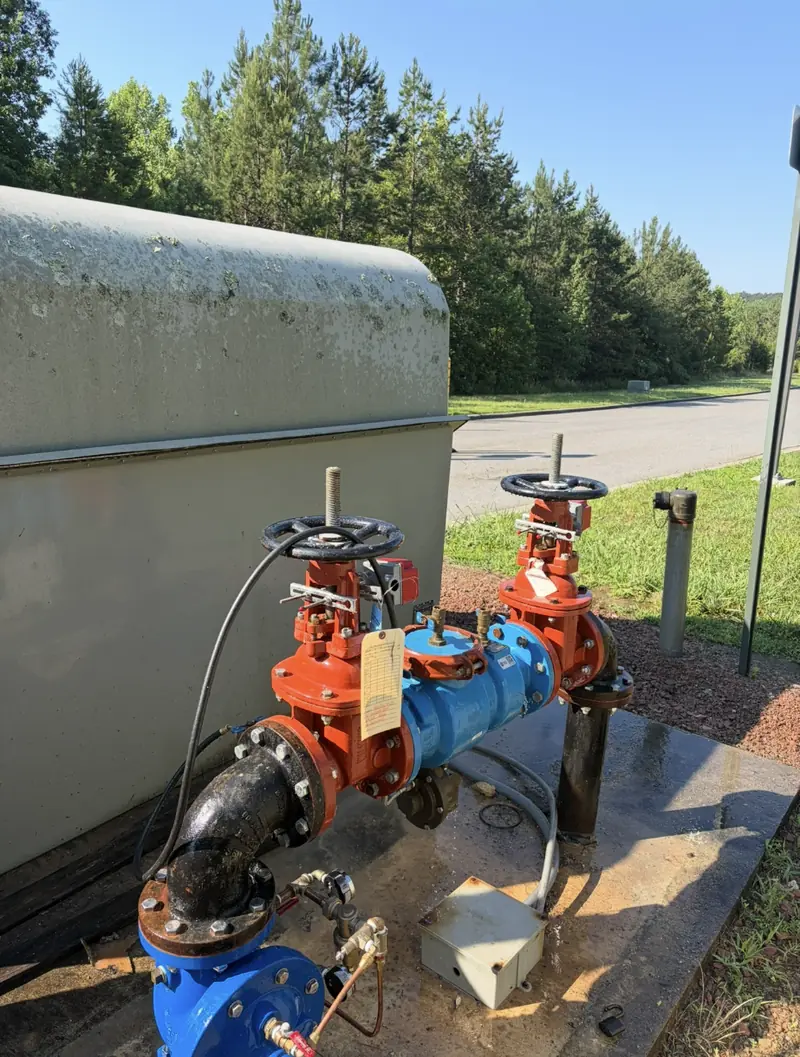
Also Serving Near Charlotte
Plumbing Fixed In Charlotte In Three Easy Steps
An Easy Call
Call, text, or send the quote form. Tell us what is happening and we will tell you when we can be there, often the same day.
Step 1Choose Your Fix
We find the cause, show you what we see, and walk you through your options and the price before any work starts.
Step 2Problem Solved
We do the repair, test it, clean up, and file any paperwork. Labor on repairs and installations is covered for a year.
Step 3
Ready For A Plumber In Charlotte?
Open 24 hours. Licensed & insured. 1-year labor warranty.